
A Calm Sea and Beautiful Days With You Review: The Coziest Arranged Marriage J-Drama That Will Melt Your Heart Like Warm Mochi
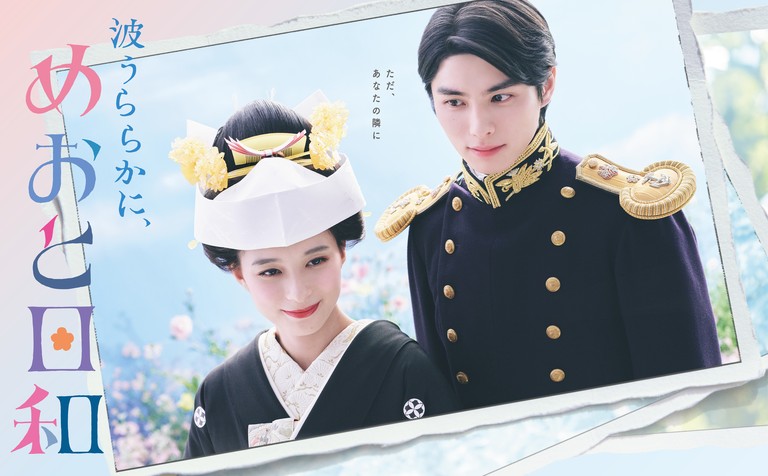
⚡ QUICK VERDICT
A gentle, sincere arranged-marriage romance set in 1936 Japan — no manufactured conflict, no melodrama, just two people quietly falling for each other one small kindness at a time. Kyoko Yoshine and Kyoya Honda’s chemistry and the warm period setting make it one of the most rewatchable comfort watches of its kind. It’s soft and slow by design, which is either exactly what you want or exactly what’ll test your patience.
🟢 Watch If
You want a wholesome slow-burn with zero unnecessary drama. You love a beautiful period setting and understated emotional growth. You’re after a genuine comfort rewatch, not high stakes.
🔴 Skip If
You need strong plot momentum or real stakes to stay hooked. Slice-of-life pacing feels like nothing’s happening to you. You’d rather have tension and conflict than quiet sincerity.
If you’ve ever wanted to curl up with a warm cup of tea, a soft blanket, and a story so gentle it feels like a hug from your favorite grandmother, look no further. A Calm Sea and Beautiful Days With You (Japanese title: Nami Uraraka ni, Meoto Biyori) is the Japanese drama equivalent of a perfectly steeped green tea on a quiet afternoon—soothing, lightly sweet, and somehow exactly what your soul needed without you realizing it.
This 10-episode Fuji TV gem, which aired in 2025 and is based on Hachi Nishiga’s popular manga, follows a shy young woman and her equally awkward naval officer husband as they navigate the early days of an arranged marriage in 1936 Japan. No high-stakes intrigue. No villainous in-laws. Just two earnest people learning how to be married, one awkward conversation and shared meal at a time. And somehow, that simplicity becomes pure magic.
A Wedding Without the Groom (And Somehow It’s Adorable)
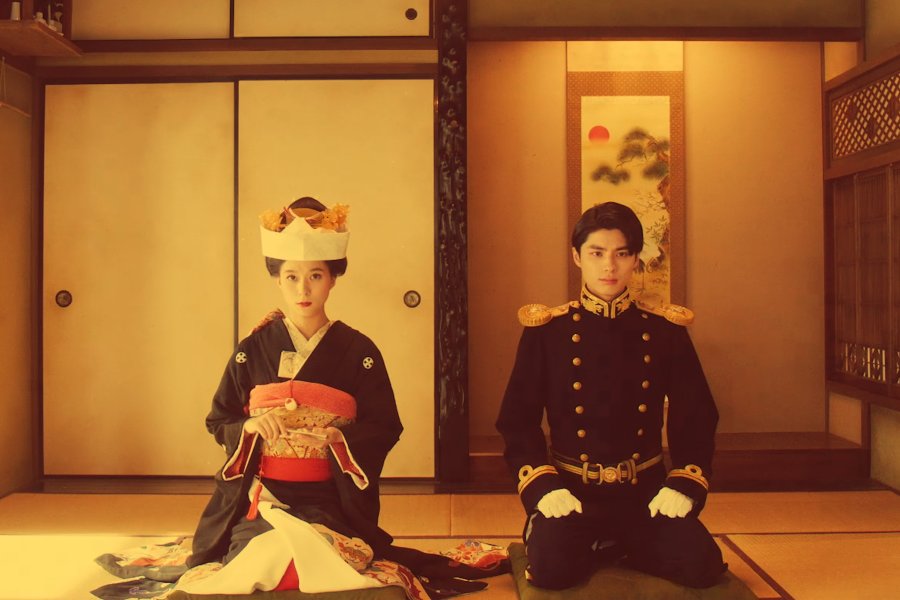
Our story opens in the spring of Showa 11. Natsumi Sekiya (played with luminous, slightly clumsy charm by Kyoko Yoshine) is the third of four daughters in a perfectly ordinary family. One day her father casually drops the news: “You’re getting married next week.” To a man she has never met. An Imperial Navy lieutenant named Takimasa Ebata.
Natsumi’s reaction is the perfect mix of polite panic and wide-eyed “wait, what?” that anyone who’s ever been blindsided by life will recognize. The wedding itself is even better (or rather, more wonderfully awkward). Takimasa is away on naval training, so Natsumi marries… a photograph. Yes, really. She stands there in her wedding attire, smiling gamely at a framed picture of a man who looks like he might take his own serious expression a little too seriously.
When the real Takimasa finally arrives home two weeks later, played by the quietly magnetic Kyoya Honda, the chemistry is immediate in the most delightful “we have no idea what we’re doing” way. He is stiff. Formal. Emotionally reserved to the point of comedy. She is sincere, a little scatterbrained, and determined to be a good wife even though she has zero experience with romance. Their first days of living together are a masterclass in gentle misunderstanding—like watching two cats try to figure out how to share a cardboard box.
The humor never feels mean. It’s the kind of soft, knowing laughter that makes you go “oh honey, I’ve been there” while reaching for more snacks.
Two Shy Souls Learning the Language of Love
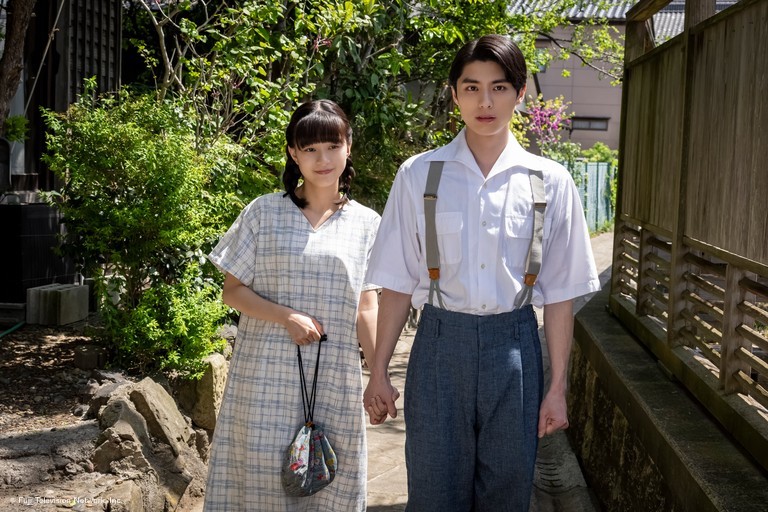
What makes this drama so special is how carefully it builds their relationship. There are no grand declarations or dramatic rain-soaked confessions. Instead we get small, glowing moments: Takimasa quietly noticing how Natsumi has arranged the household, Natsumi realizing that his silence isn’t coldness but a careful kind of care, the way they slowly start to look for each other when one is away.
Kyoko Yoshine brings such warmth and gentle physical comedy to Natsumi. She’s not a manic pixie dream girl—she’s just a real young woman trying her best, sometimes tripping over her own good intentions, and growing more confident as the episodes progress. Kyoya Honda’s Takimasa is a quiet triumph. His micro-expressions do so much heavy lifting. A slight softening around the eyes, a barely-there smile that feels like the sun coming out after rain—you can feel his affection blooming in real time.
Their dynamic is the opposite of the flashy, high-drama romances that often dominate screens. It’s closer to watching two people carefully tend a small garden together. Water a little here. Pull a weed there. Suddenly, without anyone shouting about it, something beautiful is growing.
There’s also a secondary couple that provides a lovely contrast—more banter, more sparks, a different kind of push-and-pull. They keep the energy from becoming too serene while still fitting the overall wholesome atmosphere. Everyone in this world feels fundamentally kind. Even the characters who could have been obstacles are written with understanding.
Life in a Beautiful Traditional House (and Why the Setting Matters)
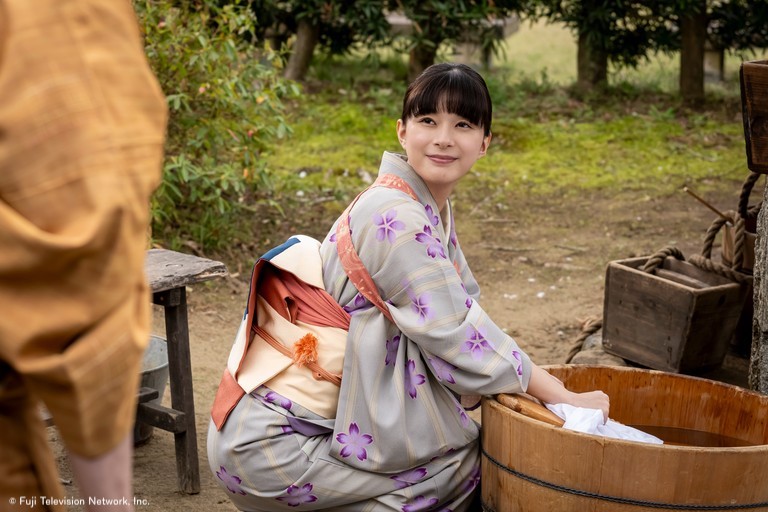
The production design is pure comfort. Much of the story unfolds in a lovely traditional Japanese home with tatami rooms, an engawa overlooking a carefully tended garden, and the quiet rhythms of daily life. Cooking meals. Sharing quiet evenings. Watching the seasons change. The camera lingers on small details—steam rising from a teacup, sunlight filtering through paper screens, the way Natsumi’s face softens when she hears her husband’s footsteps.
A charming katsudo-benshi narrator (Katsuhisa Namase) occasionally steps in to guide modern viewers through the 1930s setting, explaining customs and cultural context with warmth and a touch of theatrical flair. It never feels like a history lesson. It feels like having a kind storyteller sitting beside you, making sure you don’t miss any of the gentle beauty.
Yes, the year is 1936, and the shadow of coming war sits quietly in the background. The drama never becomes heavy-handed about it. Instead, that knowledge makes every peaceful moment feel more precious. The title itself becomes the thesis: appreciate the calm sea while you have it, because the storms of the world will eventually come. In the meantime, cherish the beautiful days you get to spend with the person beside you.
Why This Drama Feels Like Emotional Comfort Food
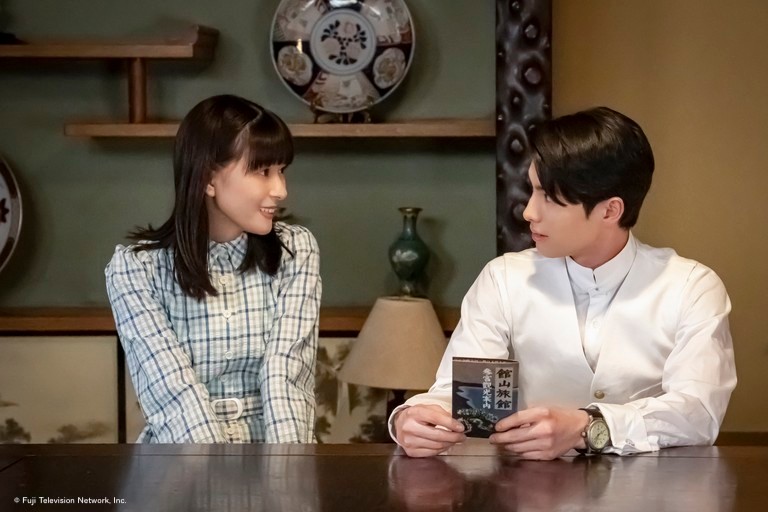
In a media landscape often packed with high-conflict plots and emotional rollercoasters, A Calm Sea and Beautiful Days With You is radical in its gentleness. It trusts that watching two people learn to care for each other—through shared meals, careful conversations, and quiet acts of consideration—is enough. And it is more than enough.
The series celebrates mutual respect in a historical context where gender roles were rigid. Takimasa may be the naval officer and head of the household by the standards of the time, but the relationship that develops between them feels surprisingly egalitarian in spirit. They listen to each other. They try. They grow. There’s something deeply hopeful about watching an arranged marriage transform into a genuine partnership built on patience and kindness.
The humor stays light and character-driven. Natsumi’s earnest attempts at domestic perfection sometimes go hilariously sideways. Takimasa’s formal speech patterns and emotional reserve create comedy gold when set against ordinary married life. Yet the laughter never undercuts the tenderness. You root for them with your whole heart.
By the later episodes, when the couple has settled into a warmer, more comfortable rhythm, the emotional payoff is quietly profound. Small gestures carry enormous weight. A soft word. A shared glance. The simple fact of coming home to each other. In one particularly lovely stretch, the drama gently reminds us that because their time together is limited by his naval duties, every ordinary hour becomes special—short and long at the same time, the way the best days always feel.

Final Thoughts From Someone Who Didn’t Want It to End
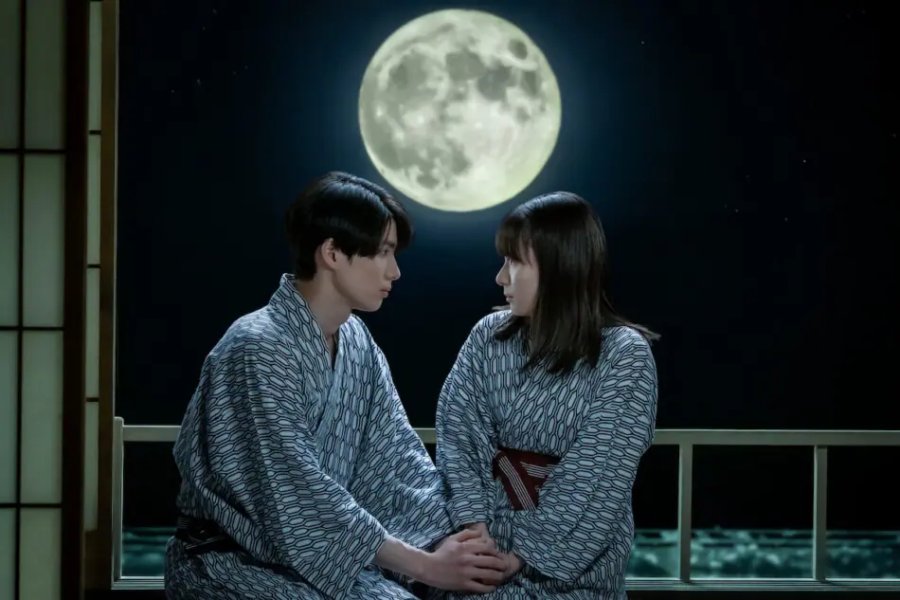
I finished the final episode feeling like I’d spent time with old friends. The kind of friends who leave you a little softer and a little more determined to notice the small joys in your own life. The drama never lectures, but its message lands with quiet power: the beautiful days are the ones you’re living right now. The calm sea is the one you’re sailing on this moment. Don’t wait for some perfect future to start cherishing them.
Kyoko Yoshine and Kyoya Honda have such natural, understated chemistry that you believe every careful step of their journey. The supporting cast adds texture without ever pulling focus. The direction and writing keep the pace unhurried in the best possible way—like a long, peaceful walk rather than a race.
Is it saccharine at times? A little. Does it lean into the sweetness? Absolutely. And thank goodness for that. Sometimes the world feels loud and sharp enough. A story that chooses warmth, sincerity, and gentle humor is a gift.
If you’re in the mood for pure-hearted romance, period-drama charm, and the kind of slow-burn affection that sneaks up on you, A Calm Sea and Beautiful Days With You is waiting. Put the kettle on. Settle in. Let two awkward, earnest newlyweds show you how beautiful ordinary days can be when shared with the right person.
Highly, wholeheartedly recommended.