
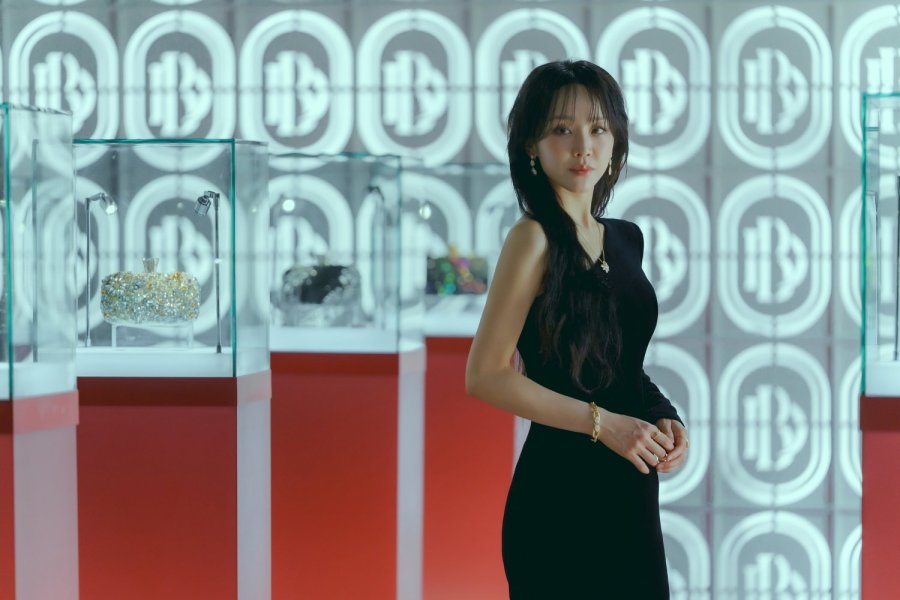
Fake Bags, Constructed Lives: The Brutal Symbolism Behind The Art of Sarah
In The Art of Sarah, the handbag is far more than a plot device or glamorous prop. It is the series’ central symbol—of aspiration, constructed identity, social armor, and the hollow core of desire in a status-obsessed world. Every major turning point orbits around bags: the ones Sarah covets, the ones she fakes, the one that identifies a body, and the brand that ultimately outlives her.
The Origin of Desire

The symbolism begins in desperation. As Mok Ga-hui, working endless hours at a department-store luxury counter, she is crushed by debt and invisibility. A pivotal moment involves a Dior bag—stolen or damaged in a moment of collapse. Clutching it, she attempts to end her life in water. Under the surface, the brand letters rearrange themselves into “DOIR.” From that inverted, half-drowned vision, Boudoir is born.
This is pure origin myth. The bag is not merely an object of envy; it becomes the spark of reinvention. She no longer wants to own the bag. She wants to become the kind of person who could carry it—or, better, the one who creates the desire for it. Boudoir (a play on “Lady Dior” and the French word for a woman’s private dressing room) is both public spectacle and private refuge. The name itself suggests intimacy and performance: a space where a woman prepares the self she will show the world.
Bags as Identity and Armor

In the elite circles Sarah infiltrates, a luxury handbag functions like an ID card. A crocodile Hermès Birkin or a limited-edition Dior signals membership in the top tier. Sarah understands this instinctively. She arms herself with real rarities while building a counterfeit empire whose bags cost a fraction of their selling price yet command the same social currency. The series repeatedly shows that what matters is not craftsmanship or provenance, but the story attached to the object and the access it grants.
The body found in the sewer is initially identified by a rare bag and an ankle tattoo. The handbag becomes the first false witness. It speaks louder than any documents (of which Sarah has almost none). Later, when a “friend” takes a supposed Birkin for authentication and is told it is fake because it is too perfect—lacking the tiny human imperfections of the real thing—the irony is sharp. Perfection itself becomes the giveaway. Sarah’s entire persona operates the same way: polished, seamless, and therefore suspect.
Authenticity, Illusion, and the Question of the Fake
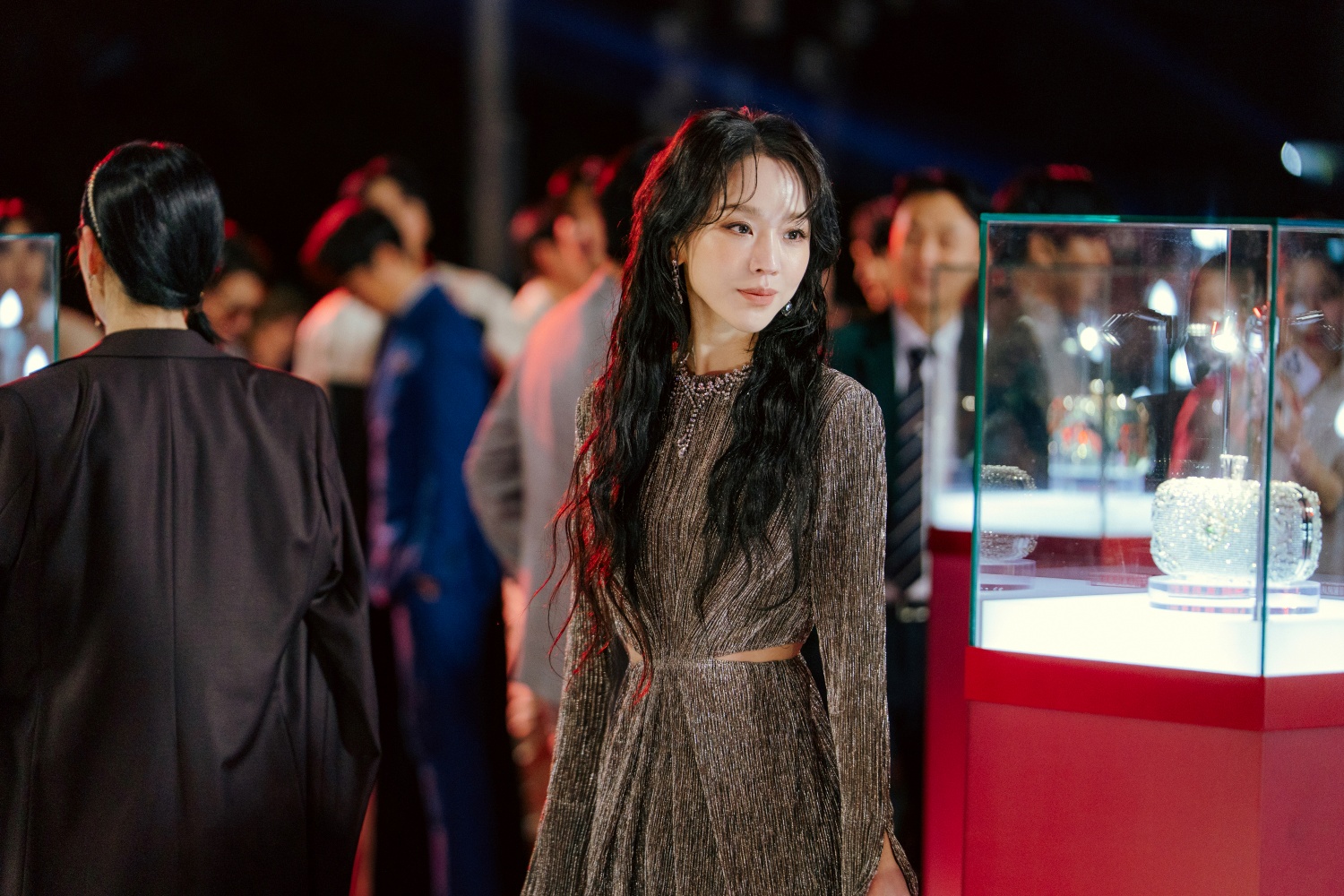
The series’ sharpest thematic question is posed through the bags: If a copy is indistinguishable from the original, is it still fake? Sarah articulates versions of this idea. People do not chase the object itself; they chase the status and belonging it confers. Boudoir’s bags—assembled from cheap components yet marketed with invented royal heritage and extreme exclusivity—expose the emptiness of that chase. Consumers buy the illusion. When the illusion is threatened, they protect it rather than confront the truth, because admitting they were deceived would diminish their own carefully curated selves.
Mi-jeong, the artisan who actually makes the bags, sees her modest creations transformed into status symbols. Her jealousy is not only personal; it is about labor versus legend. She wants to inhabit the aura that the finished product projects. The confrontation that leads to her death is, in a sense, a fight over who owns the bag’s meaning—the maker or the myth-maker.
The Bag That Survives
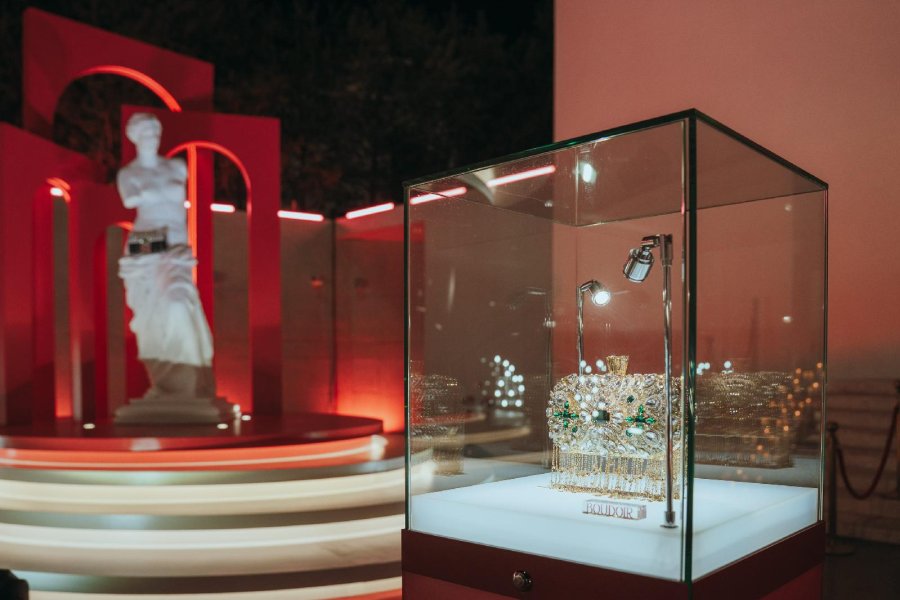
By the ending, the symbolism reaches its most poignant form. Sarah sacrifices her name, her freedom, and any claim to the identity she most wanted so that Boudoir can continue. The brand—embodied by its bags—lives on under new ownership. The world mourns the glamorous founder while the physical and symbolic objects keep circulating, still desired, still signaling status.
The handbag thus becomes a perfect metaphor for Sarah herself. Both are beautiful containers. Both are filled with carefully chosen contents meant to project a self. Both can be emptied, refilled, or passed to someone else. And both, when perfected as illusions, outlast the person who created them. The final unanswered question—“Who are you?”—hangs in the air like an empty bag waiting to be claimed by the next story.
In the end, the series “The Art of Sarah” suggests that in a society where luxury goods function as identity papers, the ultimate art is not making the bag, but making people believe the person carrying it is real. Sarah masters that art so completely that she can disappear into it—and leave the bag, still glittering, still desired, behind.

![Can This Love Be Translated? [2026] K-Drama Review: Kim Seon-ho and Go Youn-jung’s Heartfelt Rom-Com](https://pbs.twimg.com/media/G-_qTelXYAEvrpM.jpg "Can This Love Be Translated? [2026] K-Drama Review: Kim Seon-ho and Go Youn-jung’s Heartfelt Rom-Com")