
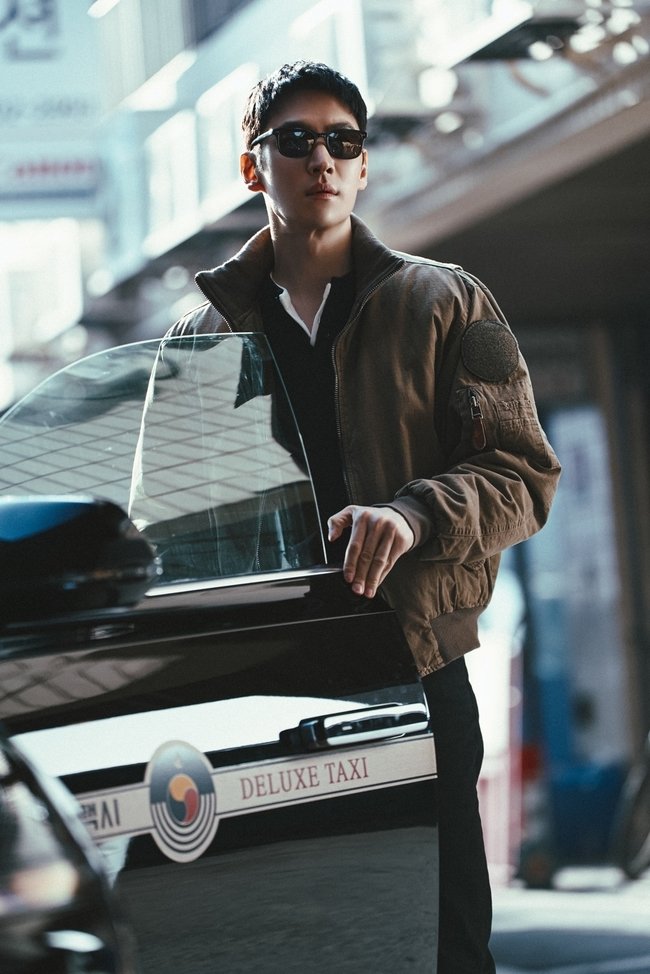
Taxi Driver 3 2026 K-Drama Review: Vengeance Rides Again – Lee Je-hoon’s Brutal Final Season
Buckle up, buttercup. If you thought the first two seasons of Taxi Driver were a wild ride, Season 3 just took the keys, disabled the speed limiter, and drove straight into a fireworks factory.
We’re talking about the explosive 16-episode grand finale of Mobeomtaeksi 3, which gripped our screens on SBS from late 2025 into the dawn of 2026. If you haven’t seen it yet, consider this your formal invitation to the most stylish, violent, and emotionally resonant funeral for a franchise we’ve seen in a decade.
The Plot: From Seoul Back-Alleys to Global Chaos
Right from the cold open, Taxi Driver 3 announces it’s not playing by the old rules. The “Case of the Week” formula is still there, but the scale has gone supernova. We aren’t just cleaning up trash in the Han River anymore; Kim Do-gi and the Rainbow Taxi crew are taking their brand of “Deluxe Vengeance” international.
The season kicks off with a three-episode arc set in the neon-drenched, rain-slicked streets of Osaka. The team is hunting a human trafficking syndicate that has been preying on runaway youths. It’s gritty, it’s visceral, and it sets a “no-mercy” tone that persists throughout the season.
Why the Stakes Feel Different This Time:
The Shadow Syndicate: This season introduces a sprawling, Hydra-like organization that isn’t just “corrupt”—it’s systemic. They own the judges, the cops, and the politicians.
The Personal Cost: For the first time, the “deluxe” service isn’t just about the clients. The past comes knocking for Jang Sung-chul in a way that will leave you absolutely gutted.
The Global Reach: Seeing the crew navigate foreign underworlds adds a layer of “Mission Impossible” flair to the established K-noir aesthetic.
“The law is a blunt instrument. We are a scalpel.” — Jang Sung-chul, Episode 8
Lee Je-hoon: The Man, The Myth, The Legend
Can we talk about Lee Je-hoon for a second? Because the man has clearly spent his hiatus in a gym, a dojo, and possibly a monastery. As Kim Do-gi, he has evolved from a silent avenger into something far more complex: a man who is starting to realize that his hunger for justice might actually be a hunger for blood.
His performance this season is a masterclass in “acting with the eyes.” When he’s undercover—whether he’s playing a flamboyant high-roller or a bumbling salaryman—he’s hilarious. But the second the mask drops and the leather jacket goes on? Chills. Literal chills. His martial arts sequences are choreographed with a lethal fluidity that makes John Wick look like he’s doing Pilates.
The Do-gi Evolution Tracker
| Attribute | Season 1 & 2 | Season 3 (The Final Boss) |
| Vibe | “I’m doing this for mom.” | “I’m doing this because someone has to.” |
| Patience | High (elaborate traps) | Low (straight through the front door) |
| Driving | Expert stunts | Defying the laws of physics |
| Emotional State | Repressed | Teetering on the edge of a breakdown |
The Rainbow Taxi Squad: Found Family or Vigilante Cult?

The chemistry here is so thick you could cut it with a butterfly knife. The core five—Do-gi, Sung-chul, Go-eun, and the two mechanics—have moved past “coworkers” and into “soulmates who hide bodies together.”
1. Ahn Go-eun (Pyo Ye-jin)
Go-eun has officially graduated from “girl in the van” to a full-blown field operative. Her growth arc this season is arguably the most satisfying. She’s sharper, more cynical, and her “will-they-won’t-they” tension with Do-gi has reached a fever pitch. There’s a scene in Episode 12—involving a rooftop and a sniper rifle—that will have “Do-Eun” shippers screaming into their pillows.
2. The Mechanics (Jang Hyuk-jin & Bae Yoo-ram)
God bless the comic relief. In a season this dark, we need Kyung-goo and Jin-eon. Their gadgetry has gone full James Bond—think EMP mines and remote-piloted decoy taxis. But beneath the jokes, their loyalty is the show’s heartbeat. When one of them gets injured mid-season, the shift in tone is deafening.
3. Jang Sung-chul (Kim Eui-sung)
The moral compass of the show starts to spin wildly this season. Sung-chul faces a moral quandary: can you truly achieve justice if you become the monster you’re hunting? Kim Eui-sung plays the “weary father figure” with heartbreaking nuance.
Action Sequences: Bone-Crunching and Racy
If you’re here for the violence, Taxi Driver 3 serves a five-course meal of mayhem. The stunt team deserves an Oscar (or whatever the K-drama equivalent of a lifetime achievement award for broken ribs is).
The Car Chases: The “Model Taxi” itself gets a few upgrades. We’re talking reinforced bumpers, oil slicks, and a turbo-boost that feels like it belongs in Fast & Furious. The chase through the shipping containers in the finale? Absolute cinema.
The Choreography: There’s a “one-take” hallway fight in Episode 14 that rivals Oldboy. It’s messy, exhausting, and visceral. You can practically smell the copper of the blood and the burnt rubber of the tires.
The Pacing: Each episode feels like a 60-minute panic attack. The editors clearly didn’t believe in “breathing room.” From the moment the “Vengeance” call is accepted to the final takedown, it’s a relentless sprint.
The “Racy” Wit: Humor Amidst the Horror
![Taxi Driver] When It's the Weekend and I Can Binge Watch My Favorite Dramas : r/KDRAMA](https://i.redd.it/f1ln82rh6ta71.gif)
What makes Taxi Driver 3 superior to your average revenge thriller is the wit. It’s dark, it’s dry, and it’s occasionally absurd.
The villains are often flamboyant caricatures of real-world monsters—corrupt “Idol” CEOs who treat their trainees like livestock, or “Academy” directors who are basically cult leaders. Watching the team infiltrate these worlds using Do-gi’s “alter egos” provides the much-needed levity. His “Wang Tao Zi” persona makes a glorious (and incredibly cringe) comeback that had me howling. It’s that balance of “I will kill you” and “Look at my ridiculous fur coat” that makes this show a masterpiece.
The Social Commentary: Justice for the Unheard
Beneath the action-movie exterior, Taxi Driver 3 remains a scathing indictment of the Korean legal system (and by extension, global corruption). It tackles:
Cyber-Scams: How the elderly are stripped of their life savings.
Corporate Negligence: When profit is valued over human life.
Institutional Abuse: The places where the “forgotten” people go to disappear.
The show doesn’t just provide escapism; it provides a catharsis for the collective frustration of seeing “the big guys” get away with it. When Do-gi finally locks a villain in his own private prison, it’s not just “cool”—it feels like a cosmic correction.
Minor Gripes (Because Nothing is Perfect)
![Deluxe Taxi / Taxi Driver 모범택시 [ S1- 2021] [S2 - 2023] [S3 -TBD] - Page 10 - Joseon Jives - JangHaven](https://64.media.tumblr.com/e8667c6bdbb69ec8ee3397580abd2c8b/d1d0576139b73345-c3/s540x810/b7fb90d1ade3c1efa43cf144fed2c3a0e585b003.gifv)
If I’m being a “strict peer” here, I’ll admit two things:
Plot Armor: By Episode 15, you start to wonder if Kim Do-gi is actually a cyborg. He survives things that would turn a normal human into a fine red mist.
The “Big Bad”: While the cases are great, the overarching villain for the season feels a little bit like a “final boss” in a video game—powerful but slightly two-dimensional compared to the nuanced villains of Season 1.
The Verdict: A Final Ride for the Ages
Taxi Driver 3 is a rare beast: a sequel that understands exactly what its fans want while still finding ways to subvert expectations. It’s loud, it’s proud, and it’s unapologetically brutal. It wraps up the saga with a finale that is both a bang and a tear-jerker, leaving us with a bittersweet goodbye to the crew of Rainbow Taxi.
Final Score: 9.5/10
A high-octane masterpiece of vigilante justice that proves some people really do deserve a one-way trip in a deluxe taxi.
Read: Healer (2014–2015 K-Drama) Review: The Timeless Action-Romance That Still Owns Our Hearts in 2025