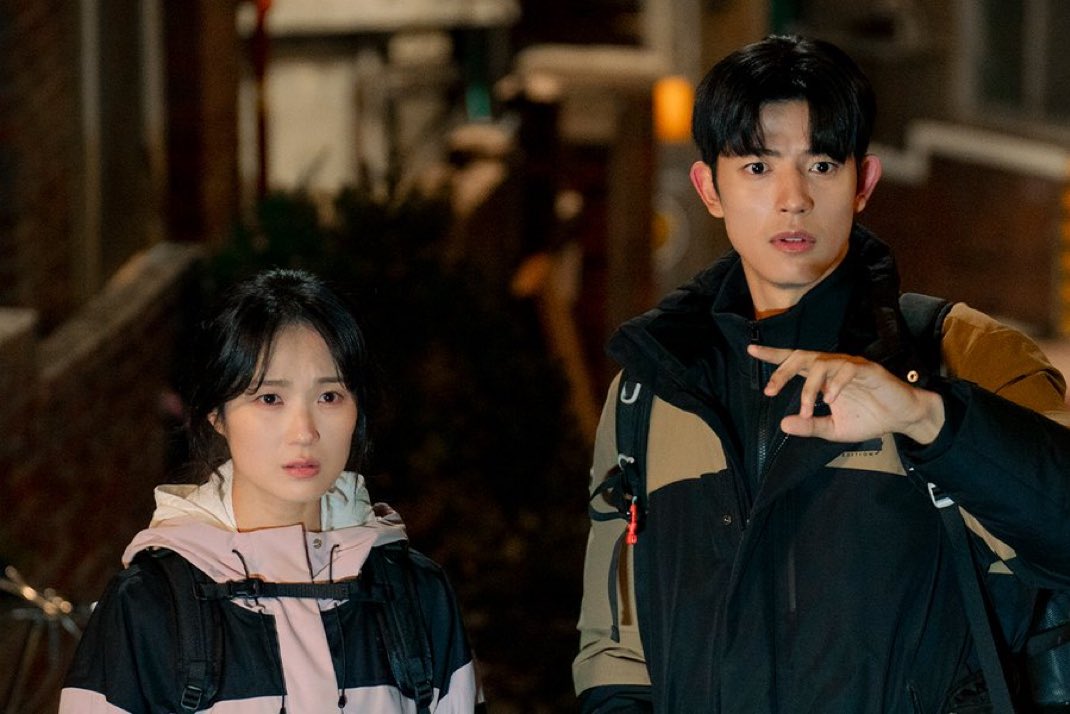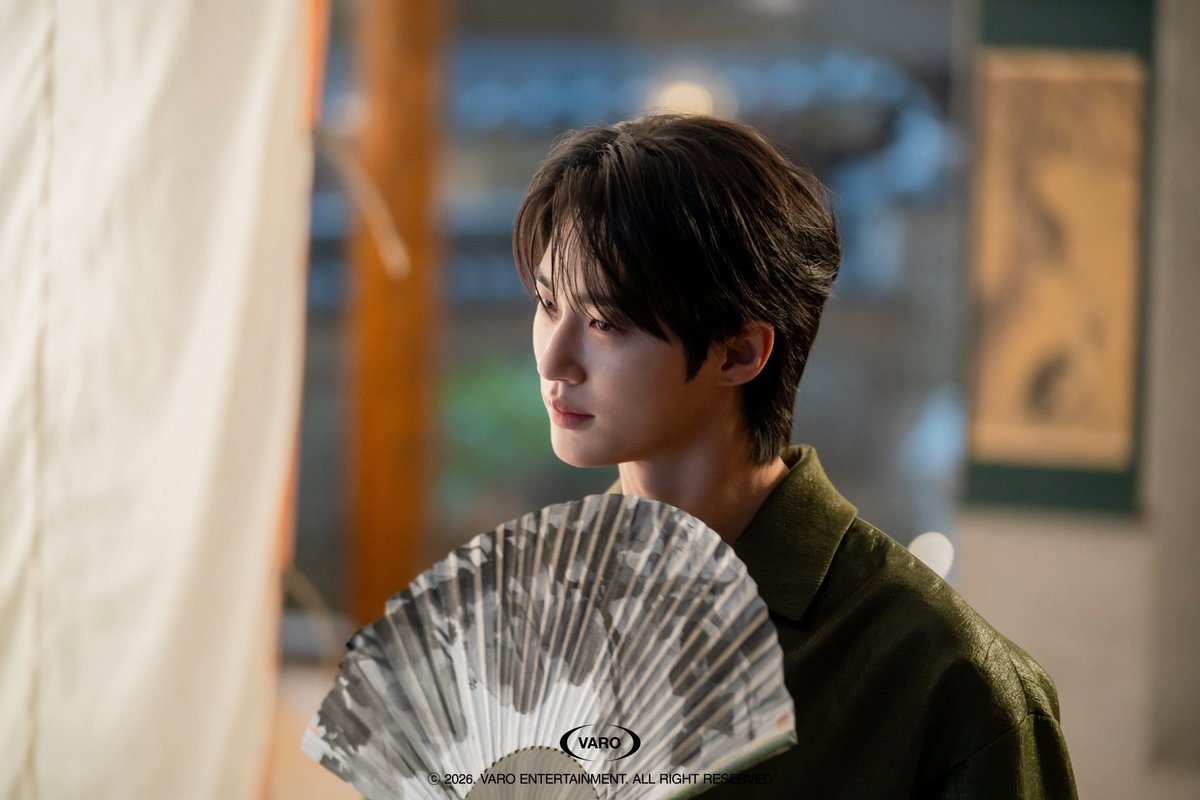
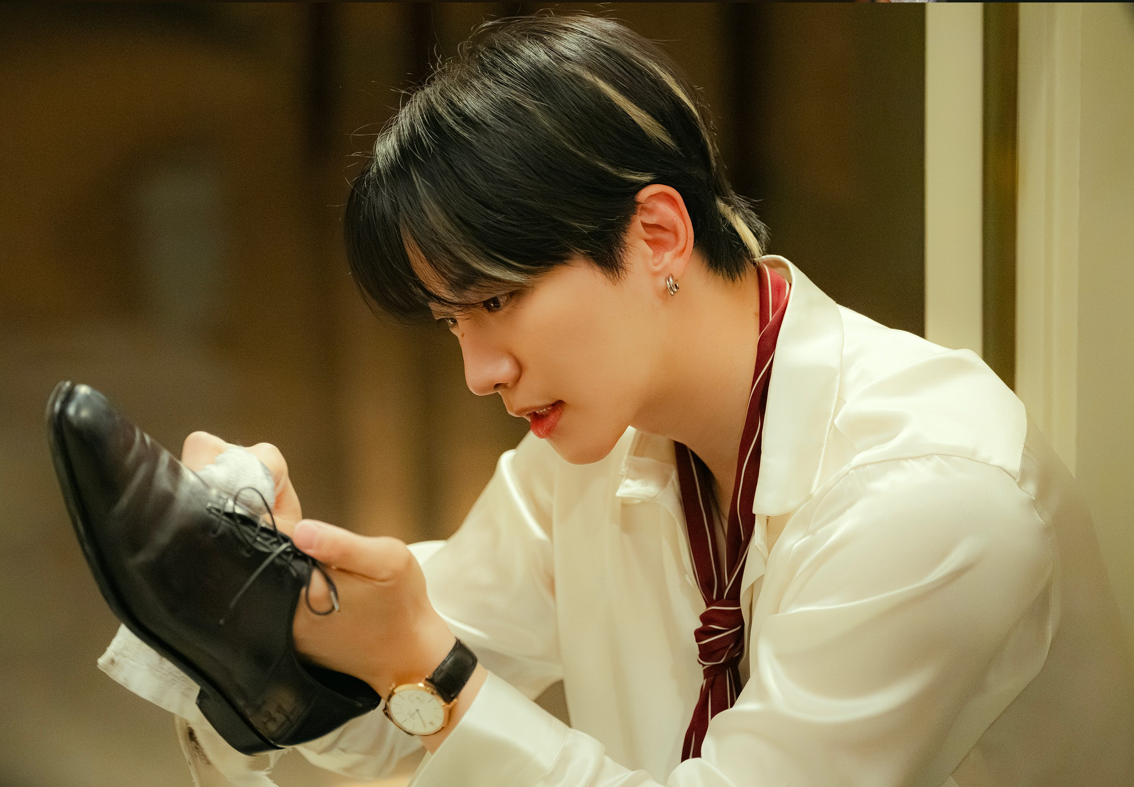
Typhoon Family: A Storm of Resilience in the Eye of Korea’s Economic Hurricane
Overview: A Storm That Feels All Too Real
Plot Summary (No Major Spoilers)
Cast and Performances
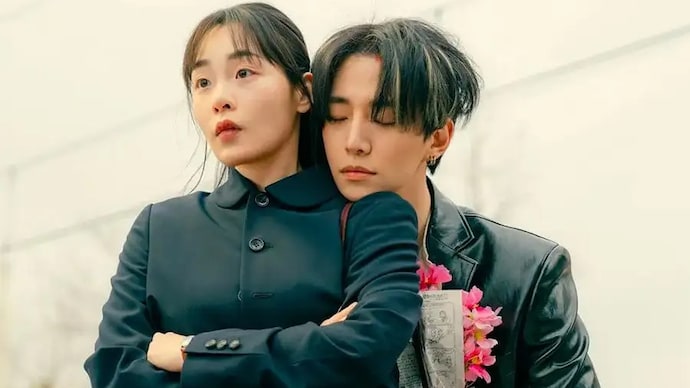
Lee Jun-ho as Kang Tae-poong
Kim Min-ha as Oh Mi-seon

Supporting Ensemble
- Kim Ji-young and Sung Dong-il as Tae-poong’s parents deliver gut-wrenching parental grief.
- Kim Min-seok brings levity and heart as the loyal best friend Wang Nam-mo.
- Kim Sang-ho is deliciously hateable as rival CEO Pyo Bak-ho.
- Veteran Kim Young-ok steals every scene as Mi-seon’s sharp-tongued grandmother.
The bench is deep; even day-player factory workers feel like real people with real stakes.
Themes and Social Commentary
At its thematic heart, Typhoon Family is a love letter to resilience amid systemic failure, dissecting how the IMF crisis wasn’t just economic—it was existential. The show unflinchingly portrays the era’s gender divides: Mi-seon’s arc from invisible laborer to empowered voice critiques the glass ceilings that persisted even in desperation, while Tae-poong’s journey interrogates privilege’s fragility. Family emerges as the drama’s north star—not the blood ties of wealth, but the chosen bonds forged in adversity. Episodes weave in motifs like the cosmos flower (symbolizing fragile growth in barren soil) and rainbow sightings post-storm, echoing the opening theme “Did You See The Rainbow?” sung by Lee Jun-ho himself—a haunting ballad that underscores hope’s elusiveness.
Socially, it spotlights the human cost of globalization: exploitative deals with foreign partners, the dehumanizing grind of export quotas, and the quiet dignity of laborers facing layoffs. Yet, it’s no polemic; Jang’s writing balances critique with compassion, showing how ordinary folks—factory hands, market vendors, even loan sharks—navigate moral gray areas. In a post-pandemic world, these themes resonate afresh, reminding us that crises expose inequities but also kindle communal sparks. User reviews echo this, praising the “inspiring realism” of lives marked by “failing and succeeding in turns,” though some decry the relentless suffering as “depressing.”
Production and Nostalgia Factor
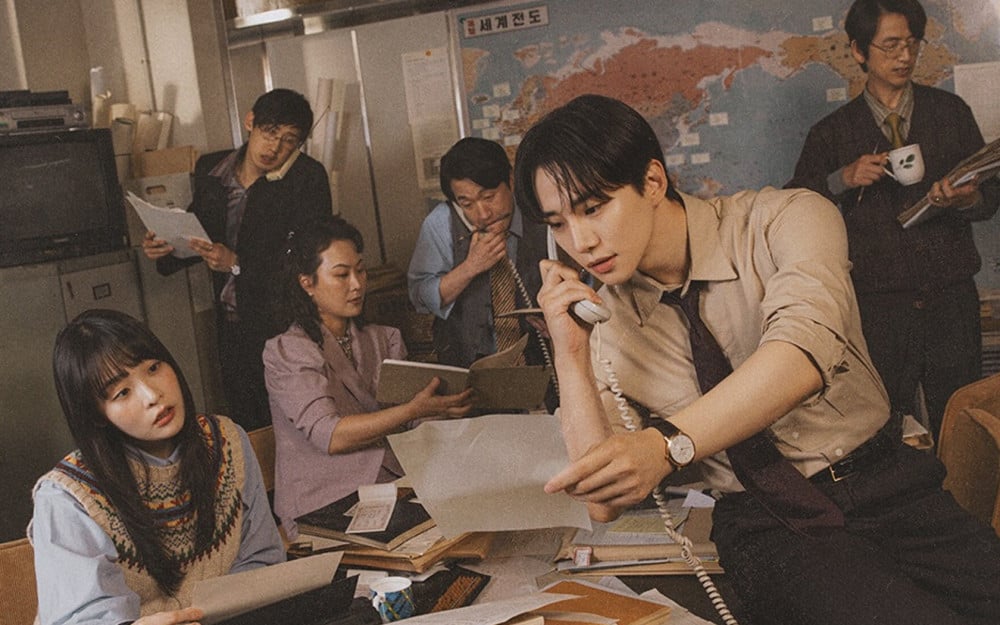
The attention to 1997–1998 detail is obsessive in the best way:
- Rotary phones, beige computers, and actual pagers
- Period-appropriate fashion (baggy jeans, tiny sunglasses, bucket hats)
- Authentic locations: crumbling offices in Seoul’s old industrial districts, the chaotic energy of Busan Port
- A soundtrack mixing ’90s K-pop classics with Dalparan’s moody original score
The opening theme, “Did You See The Rainbow?” performed by Lee Jun-ho himself, will live rent-free in your head for weeks.
Strengths
- Unflinching realism that still finds room for warmth and humor
- Superb ensemble chemistry
- Earned character growth (no sudden genius moments)
- One of the most accurate depictions of the IMF crisis ever put on screen
- Subtle, slow-burn romance that respects both leads as individuals
Weaknesses
- Mid-season pacing drags during repetitive “another deal falls through” cycles (episodes 9–11 are the toughest slog)
- Some viewers found the constant suffering emotionally exhausting
- The central romance, while believable, lacks the explosive spark of classic K-drama pairings
- A few legal/plot conveniences in the final stretch stretch credulity
Final Verdict
Rating: 8.5/10
Read: Exploring the Thrills and Triumphs of “Study Group”: A Refreshing Take on High School Drama | REVIEW