Dear X Review (2025): A Dark Dive into Fame, Betrayal, and Obsession
In the glittering yet cutthroat world of K-dramas, where underdogs triumph and hearts mend under cherry blossoms, Dear X crashes the party like a storm cloud over a rom-com picnic. Released in late 2025 on TVING, this 12-episode melo-thriller adaptation of Vanziun’s Naver webtoon doesn’t just subvert expectations—it shatters them with a protagonist who’s equal parts villain and victim.
Starring the ever-versatile Kim Yoo-jung as the enigmatic Baek Ah-jin, Dear X dives headfirst into the shadows of trauma, fame, and unyielding ambition. If you’re weary of predictable revenge arcs or saccharine second chances, this series will grip you like a plot twist you never saw coming. But fair warning: it’s not for the faint of heart, blending psychological depth with moral murkiness in a way that lingers long after the credits roll.
What makes Dear X stand out in a year packed with K-drama heavy-hitters like When Life Gives You Tangerines and The Price of Confession? It’s the unflinching portrait of a woman who weaponizes her pain, turning the entertainment industry into her personal chessboard.

Premiering on November 6, 2025, with a binge-friendly drop of the first four episodes, the show quickly climbed to the top of global OTT charts, from Rakuten Viki to HBO Max, proving that dark, character-driven stories can outshine even the flashiest blockbusters. Directed by the acclaimed Lee Eung-bok (Goblin, Descendants of the Sun) and Park So-hyun, and penned by Choi Ja-won alongside webtoon creator Vanziun, Dear X clocks in at around 70 minutes per episode, making it a taut, immersive ride that wraps up by December 4—perfect for holiday binging without the post-finale blues dragging into January.
A Plot That Hooks and Haunts: Spoiler-Free Breakdown
At its core, Dear X chronicles the meteoric rise (and precarious teetering) of Baek Ah-jin, a top-tier actress whose porcelain-doll exterior conceals a storm of sociopathic tendencies forged in the fires of childhood abuse. We meet Ah-jin not as a wide-eyed ingénue, but as a calculated force of nature, navigating the viper pit of showbiz with the precision of a surgeon. Her journey unfolds across three distinct arcs: the raw grit of her early survival days, the intoxicating highs of stardom laced with personal entanglements, and a spiraling descent where alliances fracture like glass under pressure.
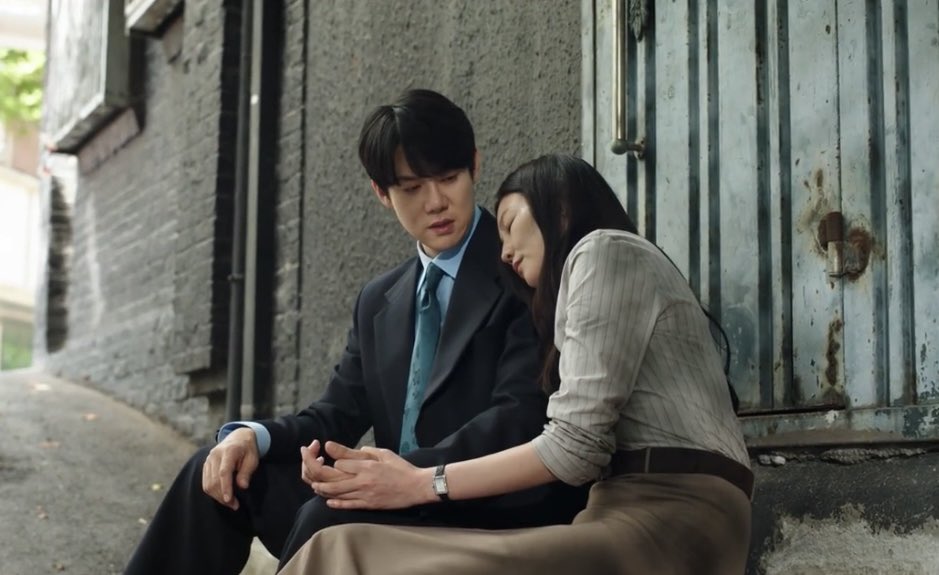
Without spoiling the gut-punches —the narrative masterfully layers Ah-jin’s manipulations with moments of raw vulnerability. She’s no straightforward anti-hero; her actions stem from a deep-seated antisocial personality disorder, making every charm offensive and betrayal feel like a chess move in a game only she fully understands. Enter Yoon Jun-seo (Kim Young-dae), her steadfast childhood friend whose unconditional love borders on obsession, and Kim Jae-oh (Kim Do-hoon), a shadowy figure bound to her by shared scars. Their devotion isn’t romanticized—it’s dissected, revealing how loyalty can enable destruction.
Rivalries simmer with Im Re-na (Lee Yul-eum), an idol-turned-actress whose polished facade clashes with Ah-jin’s raw edge, adding layers of professional jealousy and unspoken alliances. The entertainment world here isn’t just a backdrop; it’s a character unto itself, with cameos from industry insiders like Hwang In-youp as a secretive idol-actor boyfriend highlighting the blurred lines between reel and real life. What elevates the plot beyond typical revenge thrillers? Its refusal to hand out easy justice. Events cascade with brutal inevitability, from a boyfriend’s tragic unraveling to a marriage that twists into surveillance-state horror, forcing viewers to confront whether ambition excuses atrocity or if trauma is just a convenient alibi.

The pacing starts electric, mirroring Ah-jin’s relentless drive, but hits occasional lulls in the mid-season as relationships deepen—think less Squid Game sprint, more The Glory’s brooding simmer. Yet these breaths allow the tension to build, culminating in twists that redefine “explosive finale.” The ending probes the cycle of self-destruction, leaving audiences debating if redemption is possible for someone so profoundly broken. It’s a story that doesn’t just entertain; it provokes, making you question your own thresholds for empathy.
The Cast: Performances That Steal the Spotlight

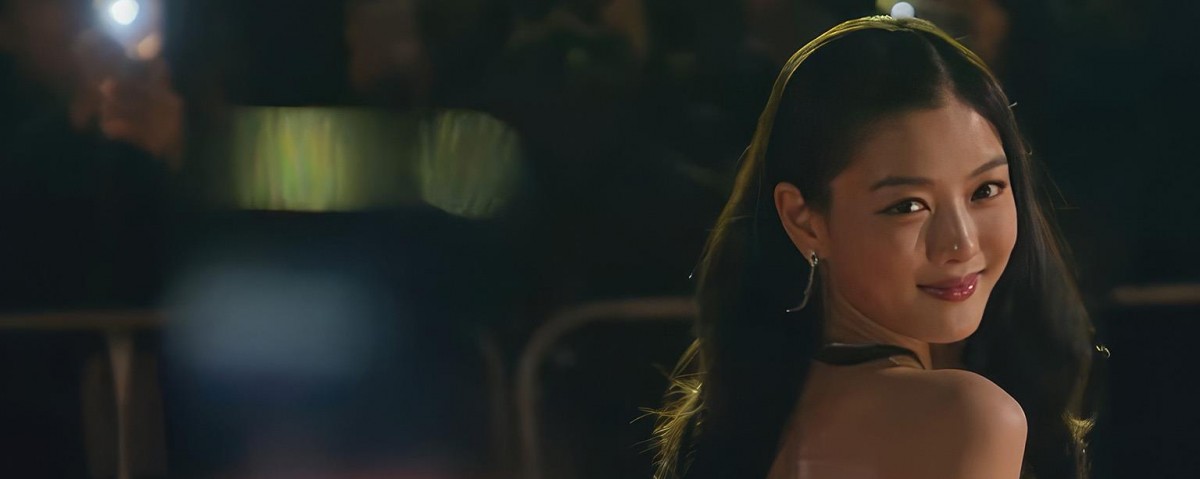
No discussion of Dear X is complete without bowing to Kim Yoo-jung’s tour-de-force turn as Baek Ah-jin. Fresh off lighter fare, Yoo-jung plunges into her darkest role yet, embodying a sociopath with chilling authenticity. Her eyes—those doe-like windows that once lit up historicals like Backstreet Rookie—now flicker with predatory calculation, shifting from doe-eyed innocence to icy disdain in a heartbeat. Critics rave: The Korea Times called it “chilling,” anchoring the entire narrative with a performance that’s as magnetic as it is unsettling. Whether she’s seducing a mark or unraveling in private, Yoo-jung makes Ah-jin feel achingly human, a testament to her range that has fans on MyDramaList scoring the acting a solid 9.0.

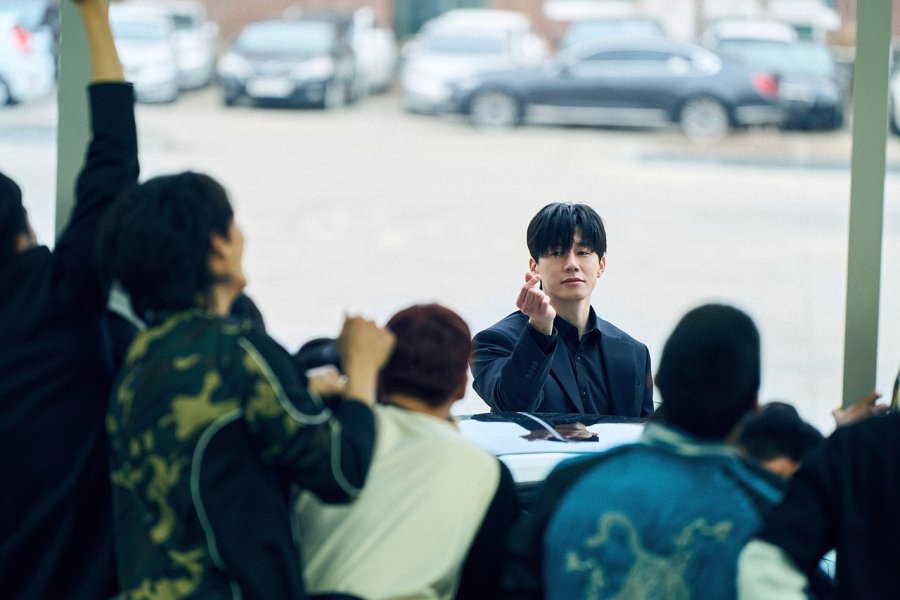
Kim Young-dae (Shooting Stars) brings heartbreaking sincerity to Yoon Jun-seo, the “nice guy” whose blind devotion veers into codependency. His arc, witnessing Ah-jin’s abuses since childhood, adds poignant depth, though some reviewers gripe that his character feels underdeveloped, more plot device than fully fleshed-out foil. Kim Do-hoon (My Roommate Is a Gumiho) fares better as Kim Jae-oh, the brooding protector whose trauma-bond with Ah-jin crackles with unspoken intensity—think a darker echo of Vincenzo’s shadowy loyalties. Their chemistry, especially in behind-the-scenes clips flooding X (like that viral Yoo-jung/Do-hoon “couple rentenir” moment), fuels shipper frenzy while underscoring the show’s toxic romance vibe.
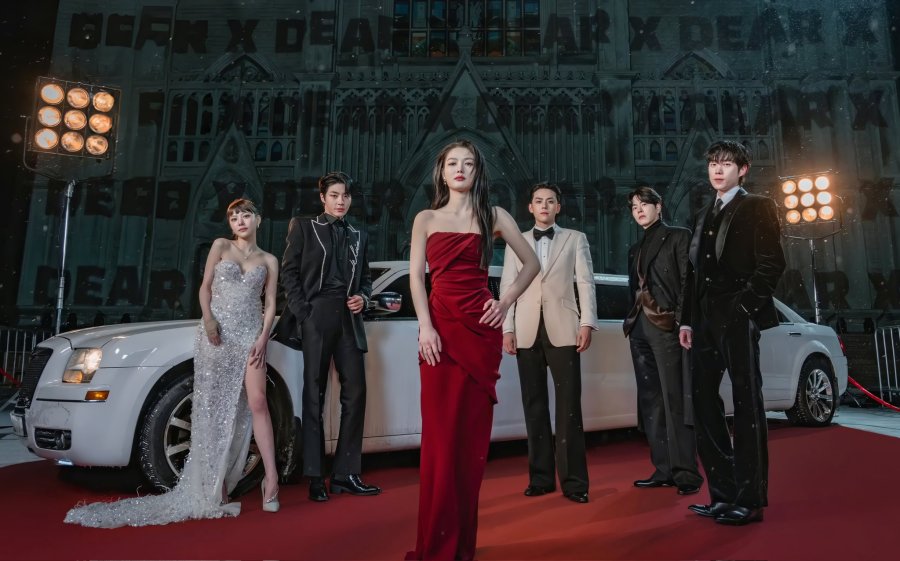
Supporting players shine too: Lee Yul-eum’s Im Re-na is a worthy adversary, all sharp wit and veiled barbs, while Bae Soo-bin chews scenery as Ah-jin’s monstrous father, a greedy specter from her past. Special guests like Hwang In-youp inject star power, his brooding idol role a nod to K-ent’s underbelly. Even bit roles, like Kim Ji-young’s steely CEO, feel integral, thanks to tight ensemble direction. Overall, the cast elevates what could have been a one-note villain tale into a symphony of flawed souls.
Themes That Cut Deep: Trauma, Power, and the Price of Devotion

Dear X thrives on its thematic richness, weaving a tapestry that’s as intellectually stimulating as it is emotionally draining. At heart, it’s a meditation on trauma’s long shadow—how abuse doesn’t just scar but reshapes, turning survivors into architects of their own (and others’) downfall. Ah-jin’s sociopathy isn’t glorified; it’s portrayed as a survival mechanism gone haywire, prompting uncomfortable questions: Is she a monster, or a product of monstrous circumstances? The show excels in exploring toxic love, particularly through Jun-seo’s arc, where “unconditional” protection blurs into enabling, echoing real-world dynamics in codependent relationships.
Ambition gets a razor-sharp dissection too. In an industry that devours its young, Ah-jin’s climb exposes the rot beneath the glamour—jealousy-fueled sabotage, predatory power plays, and the illusion of control. Moral ambiguity reigns: Viewers root for her triumphs yet recoil at the collateral damage, from a rival’s insecurities boiling over to allies sacrificing everything for her mirage of redemption. As one Medium review aptly puts it, it’s “a dark, elegant ride through ambition, betrayal, and celebrity,” blending romance-thriller pulses with psychological melodrama that rivals Eve or The Penthouse.
Yet, it’s this very depth that divides audiences. Fans buzz with praise for its “masterpiece” status—”after watching Dear X, the next kdramas you’ll watch will just look like a sloppy nickelodeon tv show”—but others decry the emotional toll, calling it “frustrating” and “pointless.” Themes of cycle-breaking (or failing to) culminate in an ending that’s been dubbed “brutal” on Letterboxd, sparking endless debates on whether it delivers catharsis or just more chaos.
Production Polish: A Visual and Auditory Feast

Visually, Dear X is a stunner, courtesy of cinematographer Kim Woo-seung. The show’s palette shifts like Ah-jin’s moods—from the neon-drenched grit of Seoul’s underbelly to the sterile opulence of agency boardrooms—mirroring her fractured psyche. Lee Eung-bok’s direction infuses scenes with operatic flair, using slow-burn close-ups to amplify unease, while Park So-hyun’s episodes lean into thriller pacing with Hitchcockian shadows. Editing by Oh Joo-ri keeps the momentum taut, even in quieter moments.
The OST, composed by Gaemi and released piecemeal from October to December 2025, is a mood-setter extraordinaire. Tracks like Minnie’s haunting “Devil’s Angel” and Sam Ock’s soulful “Goodbye” underscore Ah-jin’s duality—seductive yet sorrowful—while Lim Kim’s “Run & Run” pulses through chase sequences. It’s no wonder the soundtrack topped charts; it doesn’t just accompany the story—it haunts it, much like the series itself.
Strengths, Stumbles, and the Verdict
Dear X’s triumphs are undeniable: Yoo-jung’s career-defining performance, razor-edged writing that peels back fame’s facade, and twists that rewire your brain. It’s a bold swing at deconstructing the “strong female lead” trope, offering a female gaze that’s empowering in its unapologetic complexity. For thriller fans, the psychological cat-and-mouse games deliver adrenaline without gore, and its webtoon roots shine in stylized flashbacks.
That said, it’s not flawless. Pacing drags in the middle, with repetitive manipulations testing patience, and the ending—while audacious—feels rushed to some, dodging deeper accountability for Ah-jin in favor of shock value. Male characters, particularly Jun-seo, occasionally serve as emotional punching bags without enough interiority, echoing criticisms of The Glory as a “frustrating mess.” On MyDramaList, it hovers at a middling 5.8/10, with users split between “amazing acting” raves and gripes over “cruel, purposeless” plotting.
Compared to peers, Dear X outdarkens The Glory’s schoolyard vendettas with industry intrigue, while sharing Eve’s opulent revenge but swapping glamour for grit. It’s less polished than Squid Game but more intimate, carving a niche for viewers craving substance over sparkle.
In the end, Dear X isn’t comfort viewing—it’s a mirror held up to our darkest impulses, challenging us to empathize with the unempathetic. If you can stomach the shadows, it’s a 2025 essential, earning a solid 8/10 from this reviewer.
Stream it on TVING or HBO Max, but brace yourself: once Ah-jin whispers her first “dear,” you won’t look away.
What’s your take—villain or victim? Drop your thoughts below; the debate is just getting started.